
Services

Where to start
Initial Consultation (Recommended)
An introductory meeting designed to better understand an individual’s strengths, needs, goals, and current challenges. This session provides an opportunity to discuss developmental history, sensory, emotional, communication, behavioral, motor, and regulation-related barriers, as well as previous supports and interventions. One can expect a collaborative conversation, clinical guidance, and recommendations regarding potential next steps, service options, and areas of focus. The consultation also allows time for questions to ensure services are aligned with the needs of the individual and family.
Core Services: Clinical Therapy
Functional Assessment
The functional assessment provides a comprehensive starting point for clinical services, allowing clients to demonstrate current strengths, functional abilities, support needs, and areas of challenge. Findings from the assessment inform individualized intervention planning and establish baseline data to support ongoing monitoring of progress, regulation, functional change, and therapeutic outcomes over time. This service is required for clinical services only, not extended services.
1:1 In-Person Clinical Sessions
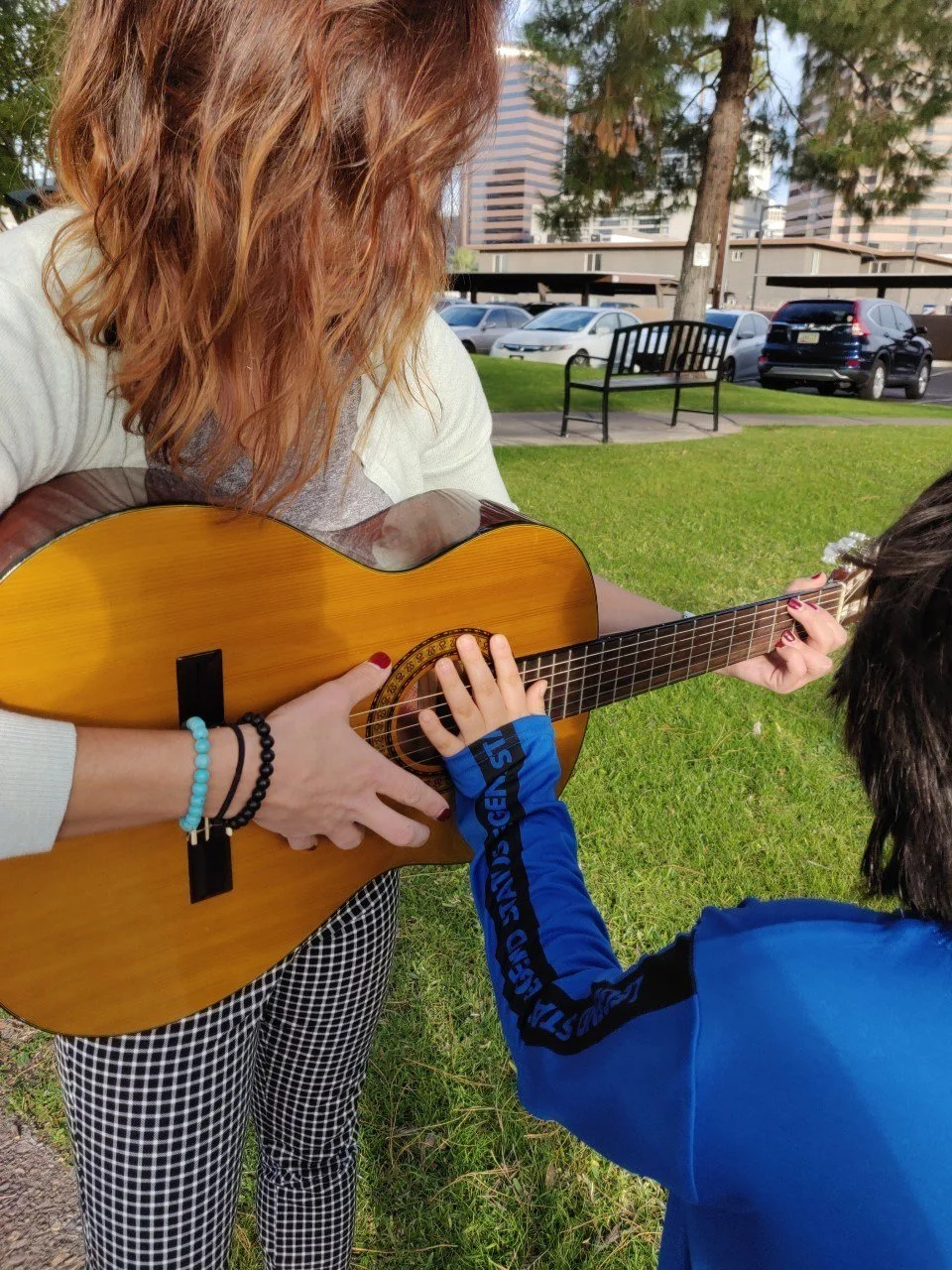
Individualized, hands-on sessions delivered in the home, school, or community setting. These sessions focus on regulation, integration, coordination, and engagement using structured, rhythm-based intervention.
Best suited for:
Individuals requiring direct, in-environment support
School-based integration
Higher or more complex support needs
1:1 Telehealth Clinical Sessions
Virtual sessions designed to support regulation, integration, coordination, and engagement through guided, interactive strategies adapted for the home environment.
Best suited for:
Families outside of the local service area
Ongoing support between in-person sessions
Individuals who benefit from structured guidance in familiar environments
Extended Services: Coaching & Support
Parent Coaching
Structured sessions focused on helping caregivers understand and implement strategies that support regulation, integration, coordination, and engagement. Emphasis is placed on carryover into everyday routines.
Individual Coaching
Available for older children, adolescents, or adults. These sessions focus on developing awareness, regulation strategies, and functional skills through a collaborative and guided process.
Workshops & Training
Training sessions available for:
Parents
Teachers
School staff
Support workers
Topics may include:
Regulation and nervous system support
Sensory processing and coordination
Applying rhythm-based strategies in real-world settings

How Services Are Delivered
Services are designed to support carryover across environments and may be delivered through:
In-home sessions
School-based sessions
Virtual (telehealth) sessions
Hybrid models (combination of in-person and virtual)
Investment
Services are structured based on individual needs, session frequency, and location. A clear fee structure is provided following consultation.
Start with a Conversation
The first step is understanding your needs and determining the best path forward.
Frequently Asked Questions
-
Getting started is simple. Reach out through our contact form to schedule an initial consultation. We’ll walk you through the next steps and answer any questions along the way.
-
We combine a thoughtful, human-centered approach with clear communication and reliable results. It’s not just what we do, it’s how we do it that sets us apart.
-
You can reach out to your insurance company to see if our services are covered with any extended benefits you may have.
-
Music therapy is currently not funded through OAP. However, there may be options available to you depending on the types of services you are receiving. Reach out to us to learn more.
-
No, your child does not need a formal diagnosis to receive care from our clinic. The services are grounded in developing functional outcomes, not necessarily population-specific.
-
No. This is not ABA therapy. The focus is not on changing behaviour through reinforcement, but on supporting the underlying systems that help individuals regulate, move, and engage more comfortably and consistently in their daily lives.